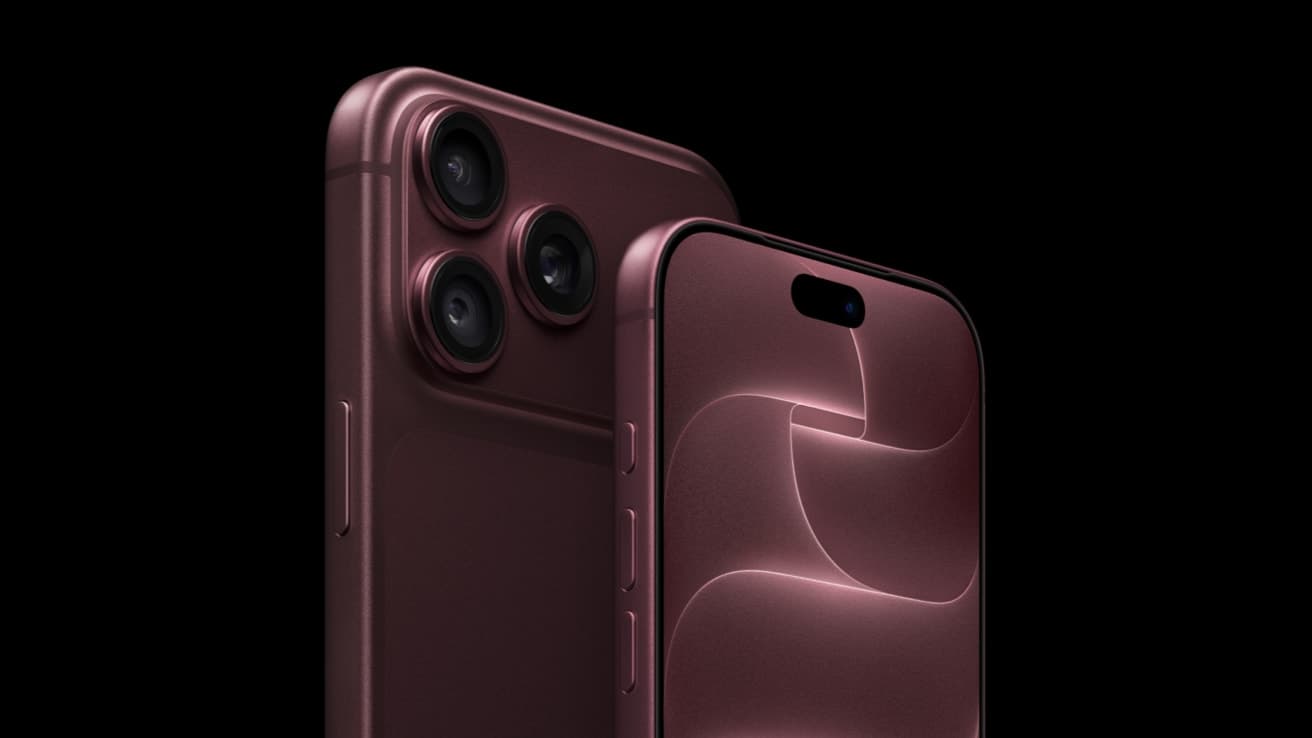
Apple’s first foldable iPhone, the iPhone Duo, has finally arrived after years of rumours and leaks. While the hardware is likely to attract attention, early hands-on impressions suggest that the software experience could be the more interesting part of the device. The iPhone Duo uses a 5.4-inch Super Retina XDR cover display when closed and…
Apple’s first foldable iPhone, the iPhone Duo, has finally arrived after years of rumours and leaks. While the hardware is likely to attract attention, early hands-on impressions suggest that the software experience could be the more interesting part of the device.
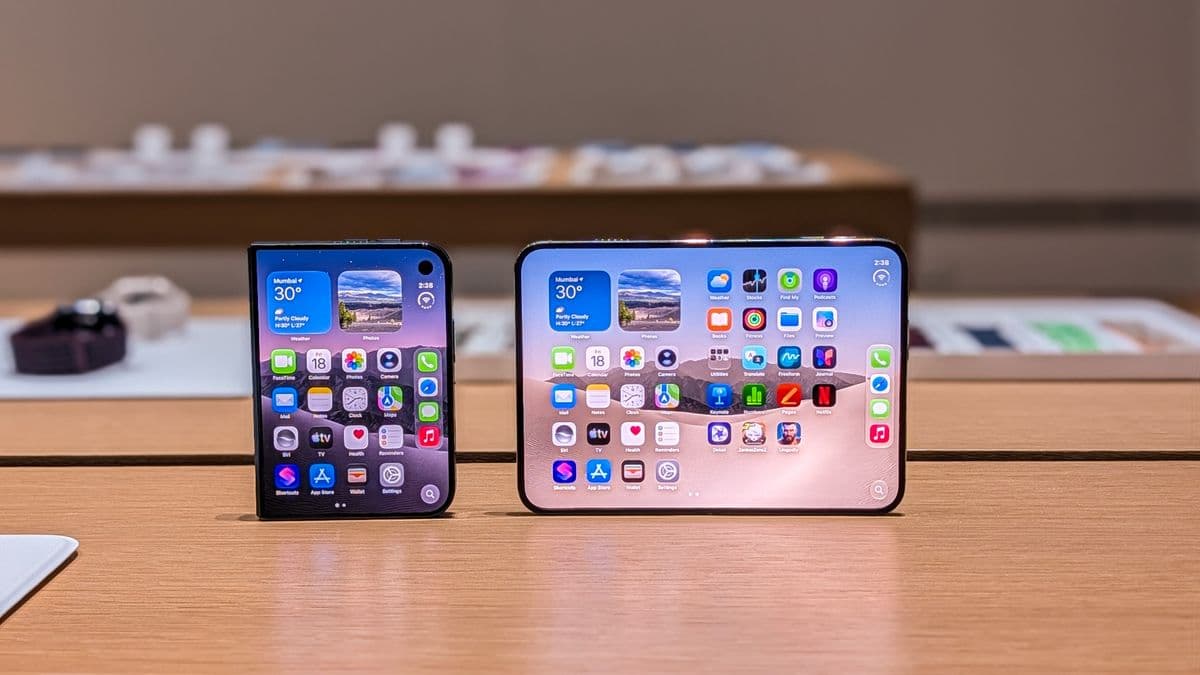
The iPhone Duo uses a 5.4-inch Super Retina XDR cover display when closed and opens up to reveal a larger 7.6-inch Super Retina XDR screen. Its passport-style design makes it relatively compact when folded. Apple has also used a matte nano-texture finish on the inner display, which helps reduce glare and fingerprints.
The titanium frame gives the phone a solid feel, while the hinge can hold the device at different angles. This makes it possible to use the iPhone Duo in different positions, including a tent-like setup. The foldable is powered by Apple’s A20 Pro chip and also features a vapour chamber for thermal management.
iPhone Duo Software Is the Main Highlight
The biggest change comes from the user interface. Instead of simply adapting the regular iOS interface to a larger screen, Apple appears to have designed several elements specifically for the foldable format.
For example, the dock and some controls move to the right side of the screen when the phone is open. This placement is intended to make controls easier to reach when holding the device with both hands.
Multitasking also works differently. Users can drag an app from the dock while another app is already open, allowing it to occupy the other half of the display. Pulling the app back towards the centre returns it to full-screen mode.
The iPhone Duo also supports different layouts depending on how the phone is folded or tilted. A slightly bent position can show two apps at once, while the folded position can activate a StandBy-style interface for widgets, photos and other information.
Apple has also paid attention to the opening and closing animation. The transition between the cover screen and inner display is designed to feel like one continuous interface rather than two separate screens.
There are some limitations, however. Split-screen apps currently appear to be limited to full- or half-screen layouts, and the phone does not retain a multitasking arrangement after being folded. The right-side control placement may also take some adjustment for left-handed users.
Overall, the iPhone Duo’s hardware is important, but its software could be what makes Apple’s first foldable different. The company appears to be treating the larger display as more than just extra screen space, with iOS adapting to how the phone is actually being used.